
Co-Ops in New Mexico
May 17, 2026
By Nadia Cabrera-Mazzeo, Esq.
Cooperatives are businesses owned and democratically controlled by stakeholders, whether that be employees, customers, residents, or other group. Co-ops come in all shapes and sizes. They can be for-profit, nonprofit, or not-for-profit (which means a business that doesn’t take profits but is not a charity).
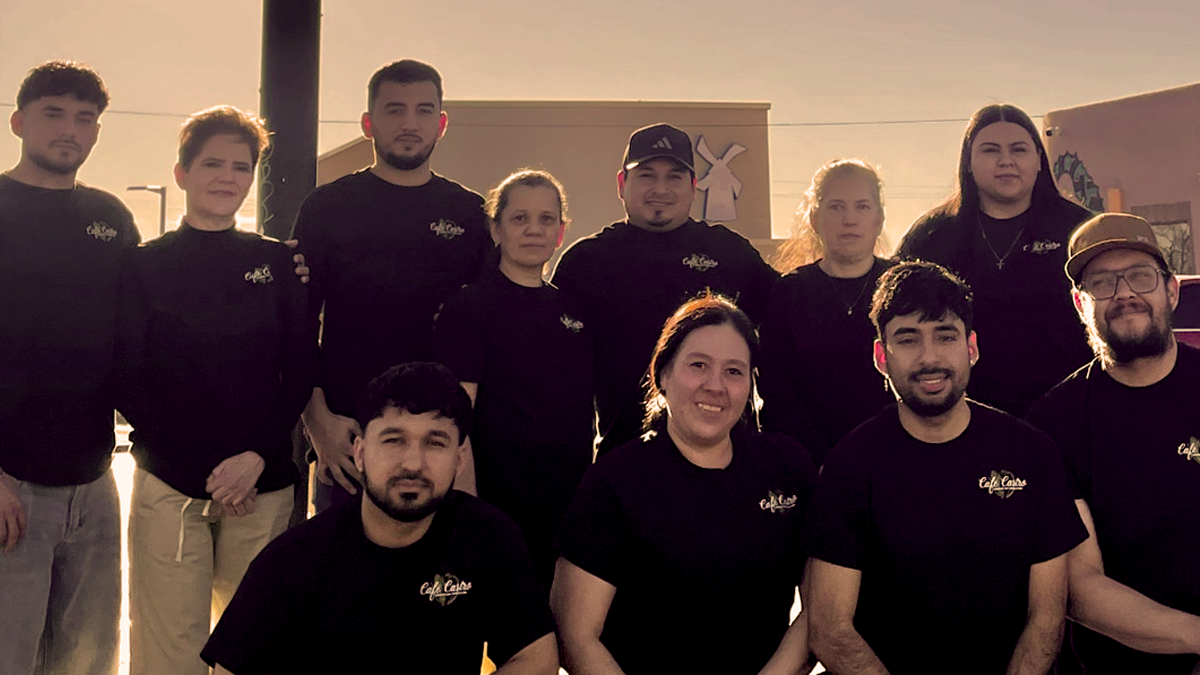
Café Castro, Santa Fe
Many of the co-ops in New Mexico, including some on this list, were founded in the 1970s or earlier. Today, we are seeing a resurgence of interest in cooperative business models across industries. Businesses can start off as co-ops directly or convert to the co-op model after operating for many years. Here are 5 co-ops in New Mexico across industries and co-op type.

505oMatic is a local media startup focused on news and issues that impact New Mexicans. They are entirely funded by memberships, grants, and local partnerships. When the time came to formalize their organization, they wanted a business form that aligned with their collective values. They worked with the U.S. Federation of Worker Cooperatives, which has an employee based in Santa Fe, to create an operating agreement (the equivalent of bylaws for an LLC) that
establishes a clear mission and collective decision-making rather than the traditional hierarchical structure, among other things.
To be clear, 505oMatic is not a nonprofit. It is a values-driven business owned by its members. Its member-owners are not just employees but any subscriber that meets certain eligibility requirements, including producing at least 2 stories and making a modest capital contribution. Member-owners participate in decision-making, own an equity stake in the LLC, and are entitled to other benefits of ownership.

Santa Fe restaurant Café Castro was family owned and operated for over 30 years before it became a worker cooperative in 2025. Another great example of a local for-profit co-op, the conversion was also supported by the U.S. Federation of Worker Cooperatives. According to a feature in the Santa Fe Reporter, Café Castro employees who want to become owners must have at least 2 years of experience working at the restaurant and must make a capital contribution of $5,000, which can be offset with working hours.
The conversion to a cooperative business model was not without its challenges. An important part of cooperatives is ensuring member-owners get the training and information they need to make sound business decisions. The folks at Café Castro worked diligently to ensure their member-owners were trained in all aspects of running a restaurant, regardless of their positions. With few other examples of collectively-run restaurants, they hope to be an example for others interested in this model.
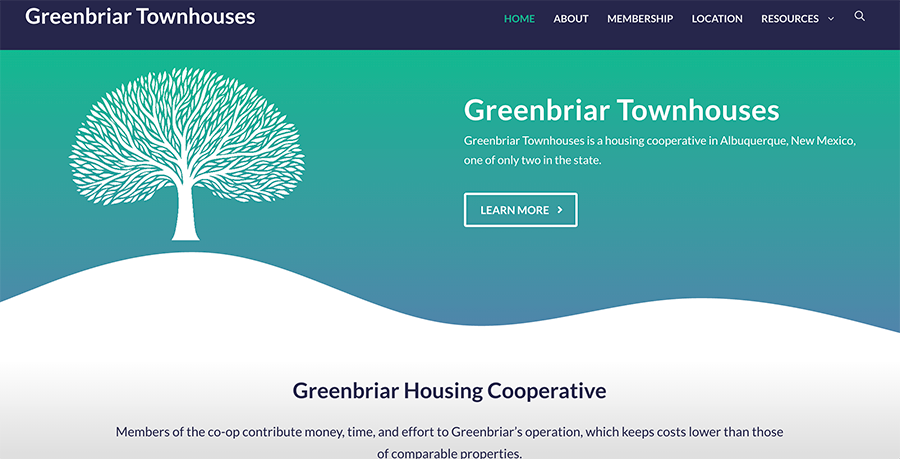
Greenbriar Townhouses is a nonprofit housing cooperative in Albuquerque. Originally formed in 1972, Greenbriar consists of 16 residential buildings with 96 two-bedroom townhomes and 64 three-bedroom townhomes and additional amenities. The member-owners are the residents who live in there and you must become a member-owner if you want to live at Greenbriar. Interested occupants can apply for membership and, if accepted, will be offered a unit. To accept the offered unit and become a member, the applicant must sign a purchase agreement to purchase a share of the nonprofit corporation. The share purchase price may sound like a lot, but it is offset by monthly “rent” at a fraction of the market price. At the time of this writing, the share purchase price for a 2-bedroom is $10,433 and for a 3-bedroom is $15,650. The monthly rent-equivalent payments are $598 for a 2-bedroom and $731 for a 3-bedroom. The Greenbriar website doesn’t mention this, but members of housing co-ops usually get their share purchase money back when they leave the co-op.
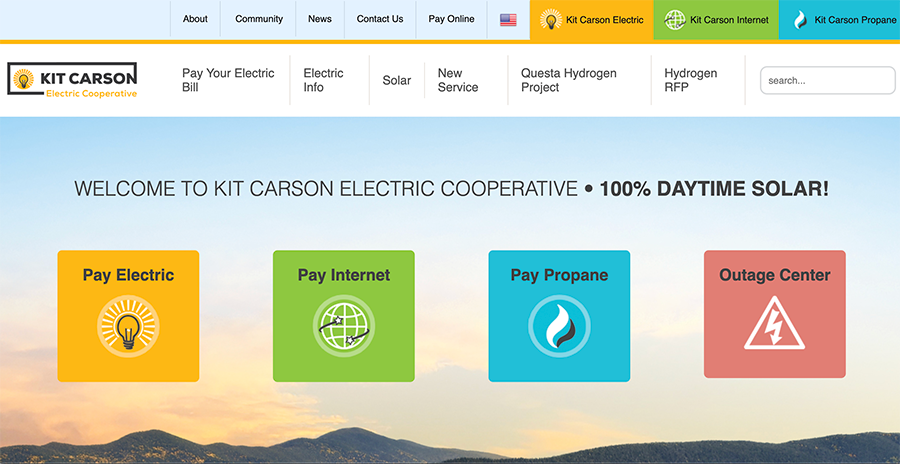
KCEC is one of 16 electric distribution cooperatives in New Mexico. KCEC itself serves 125 families in Taos and surrounding areas. I am one of those members. When I moved to my current house, I had to pay an extra $70 to set up my electric utility. That made me a member-owner of KCEC. Unlike the co-ops listed above, there is not much emphasis on the collective ownership aspect of KCEC, but as a member, I technically do have the right to attend and vote at the annual meeting. As a co-op, KCEC keeps costs low for members and makes major contributions to the community with its excess funds. KCEC was founded in 1939.

Founded in 1976, La Montañita Co-op is by far one of the largest co-ops in New Mexico with over 15,000 members and several locations across the state. La Montañita is even one of five food co-ops in the U.S. with a distribution center that enables the co-op to buy directly from local producers. La Montañita offers annual and lifetime memberships for $15 and $200 respectively. Members get regular discounts and the ability to vote and serve on the board of directors.
Interested in starting a co-op or converting your business into one? Schedule a consultation today!


Law office of Nadia Cabrera-Mazzeo, Esq.
Small business and contracts lawyer
Based in Albuquerque, serving clients throughout New Mexico
505 427 2025
nadia@honestcontracts.com
PO Box 6825, Albuquerque, NM 87197
The information on this website is not legal advice and does not create an attorney-client relationship. The rates and fees listed on this website may not be the most up to date.